
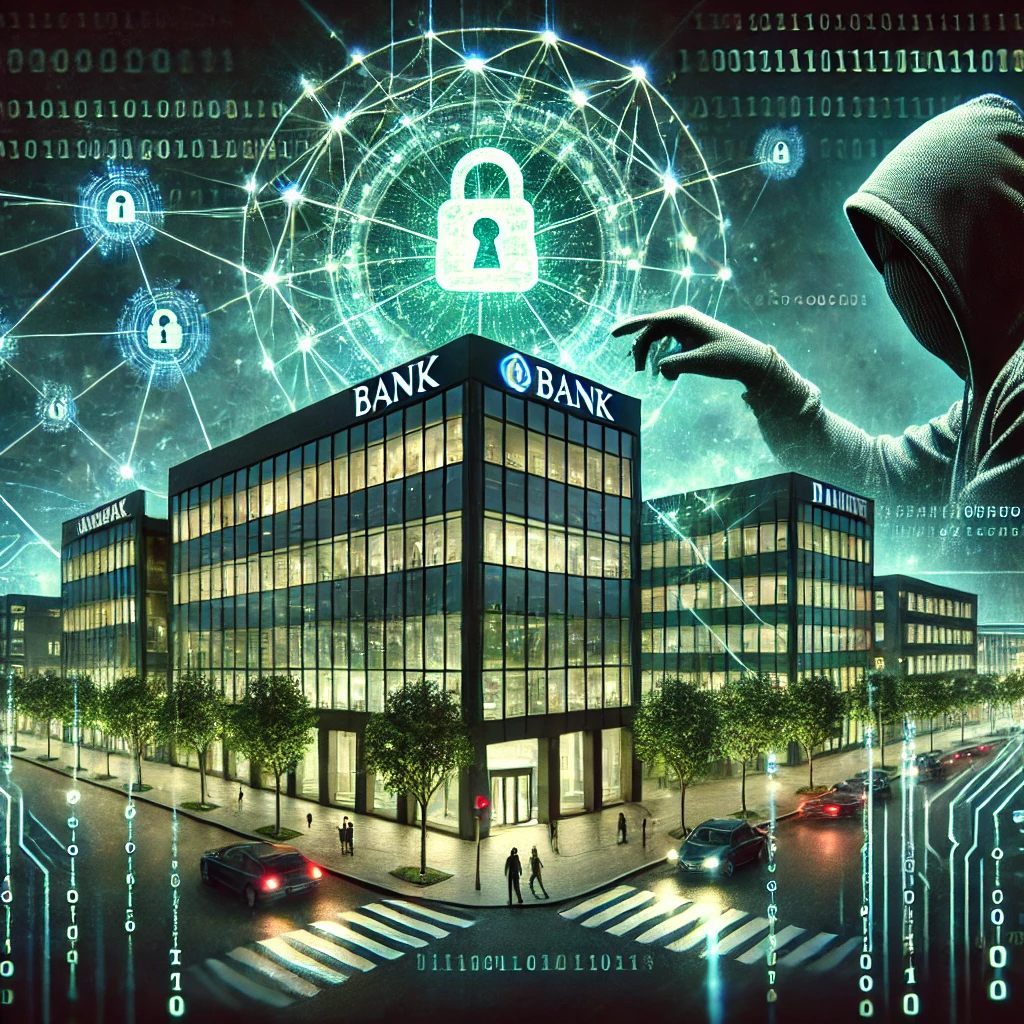
Bank breaches are becoming increasingly frequent—and they’re not limited to just one institution or region. While the recent case of First National Bank Long Island (FNBLI) losing an estimated $15 million to cybercriminals has made headlines, it’s really just one in a growing list of security incidents plaguing the financial sector. From mega-banks to local community lenders, hackers target all institutions with equal determination. In today’s post, we’ll use the FNBLI breach as a jumping-off point to discuss how and why bank breaches happen, what can be done about them, and how consumers can stay safe regardless of where they bank.
1. The Bigger Picture of Bank Breaches
Banks large and small have found themselves in the crosshairs of increasingly savvy cybercriminals:
- Past High-Profile Incidents: Large players like JPMorgan Chase and Capital One have publicly disclosed major breaches in recent years. These incidents often involve tens of millions of compromised records, illustrating that even the biggest financial firms with considerable cybersecurity budgets can be vulnerable.
- Smaller Institutions: Just because an institution is small or regional doesn’t mean it’s immune. Community and regional banks often have fewer resources for advanced security measures, making them attractive targets for cybercriminals seeking easier entry points.
2. Key Factors That Lead to Breaches
- Phishing and Social Engineering
- Cybercriminals frequently rely on tricking employees into divulging sensitive credentials. With increasingly sophisticated phishing tactics, even well-trained staff can fall victim to expertly crafted emails.
- Outdated Systems
- Legacy software and hardware can act as a gateway for attackers. If financial institutions don’t regularly update their systems, vulnerabilities can remain undetected—and exploitable—for years.
- Weak Third-Party Security
- Banks often partner with multiple vendors, from payment processors to marketing firms. A single weak link in this network of third-party services can give hackers indirect access to critical bank systems.
- Unpatched Vulnerabilities
- Like all businesses, banks use various applications to manage data and customer interactions. When software patches aren’t applied quickly, criminals can exploit known security holes.
3. The Recent FNBLI Incident in Context
While First National Bank Long Island reportedly faced a $15 million loss from a cyberattack, the finer details of the breach are still under investigation. What’s most notable, however, is how the incident fits a broader pattern:
- Attackers remain persistent: Even a local or regional bank can become a prime target.
- Underreported infiltration: It’s possible attackers had access to the bank’s systems for weeks or months before detection—a problem seen in many similar breaches.
- Data at risk: Besides financial losses, breaches can expose personal information, including names, addresses, and account details—potentially leading to identity theft and fraud.
4. Common Consequences of Bank Breaches
- Immediate Financial Damage
- In many cases, unauthorized transactions or direct theft results in immediate monetary losses. This can amount to millions of dollars, as seen in FNBLI’s situation.
- Reputational Harm
- Trust is paramount in banking. Institutions that experience a breach can face a loss of customer confidence, driving account-holders toward perceived safer havens.
- Regulatory Scrutiny
- Breaches often invite investigation from bodies like the FDIC or the Consumer Financial Protection Bureau (CFPB), resulting in possible fines or sanctions if security lapses are discovered.
- Customer Fallout
- Victims may deal with fraudulent transactions, compromised personal data, and potential identity theft. Resolving these issues can involve considerable stress, time, and potential financial strain.
5. How Banks (and Customers) Can Stay Protected
- Strengthening Internal Defenses
- Continuous Monitoring: Advanced intrusion detection systems can help spot anomalies quickly.
- Regular Training: Ongoing employee education about phishing and social engineering can minimize risks.
- Penetration Testing: Hiring ethical hackers to stress-test systems can uncover hidden weaknesses before criminals find them.
- Securing Third-Party Relationships
- Banks must vet vendors’ security protocols to ensure they align with industry standards.
- Contractual agreements should outline liability, breach reporting obligations, and minimum security measures.
- Staying Compliant with Evolving Regulations
- As regulatory bodies tighten guidelines around data protection, financial institutions need to keep pace with new rules and best practices to avoid penalties and protect consumer data.
- Investing in Cyber Insurance
- Many banks opt for cyber insurance to offset potential losses from breaches, including legal costs, recovery efforts, and customer notifications.
6. Practical Tips for Consumers
- Monitor Your Accounts
- Routinely checking account balances and transactions is one of the simplest yet most effective ways to spot anomalies early.
- Enable Multi-Factor Authentication
- Using a one-time passcode or biometric factor (like a fingerprint) adds a layer of security to your banking login.
- Use Strong, Unique Passwords
- Avoid password reuse across different platforms. A compromised password in one place can lead to a domino effect elsewhere.
- Place a Credit Freeze (If Needed)
- This prevents criminals from opening new lines of credit in your name. It’s free and can be done through all major credit bureaus.
- Beware of Phishing Attacks
- Never click suspicious links or download attachments from unknown sources. If you receive an unexpected email or text claiming to be from your bank, verify its authenticity through official channels before responding.
7. Moving Toward a Safer Financial Future
Bank breaches are not a problem that will vanish overnight. Financial institutions of all sizes must accept that motivated cybercriminals will continually seek out weaknesses. The recent $15 million theft at First National Bank Long Island is another reminder that:
- No bank is too small or “under the radar.”
- No cybersecurity system is infallible.
With public awareness and ongoing vigilance, banks can better protect their systems, and customers can reduce their risk of falling victim to fraud and identity theft.
Final Thoughts
In an era where data is currency, the fight against cybercrime in the banking sector is bound to escalate. While breaches like the one at FNBLI underscore the grave financial losses at stake, they also shed light on the need for advanced safeguards that go beyond the minimum. As banks bolster their defenses, consumers too must remain informed and proactive—together creating a more resilient financial ecosystem.
Stay vigilant, stay protected, and stay informed.